
Does the Türler Signature Add Value?
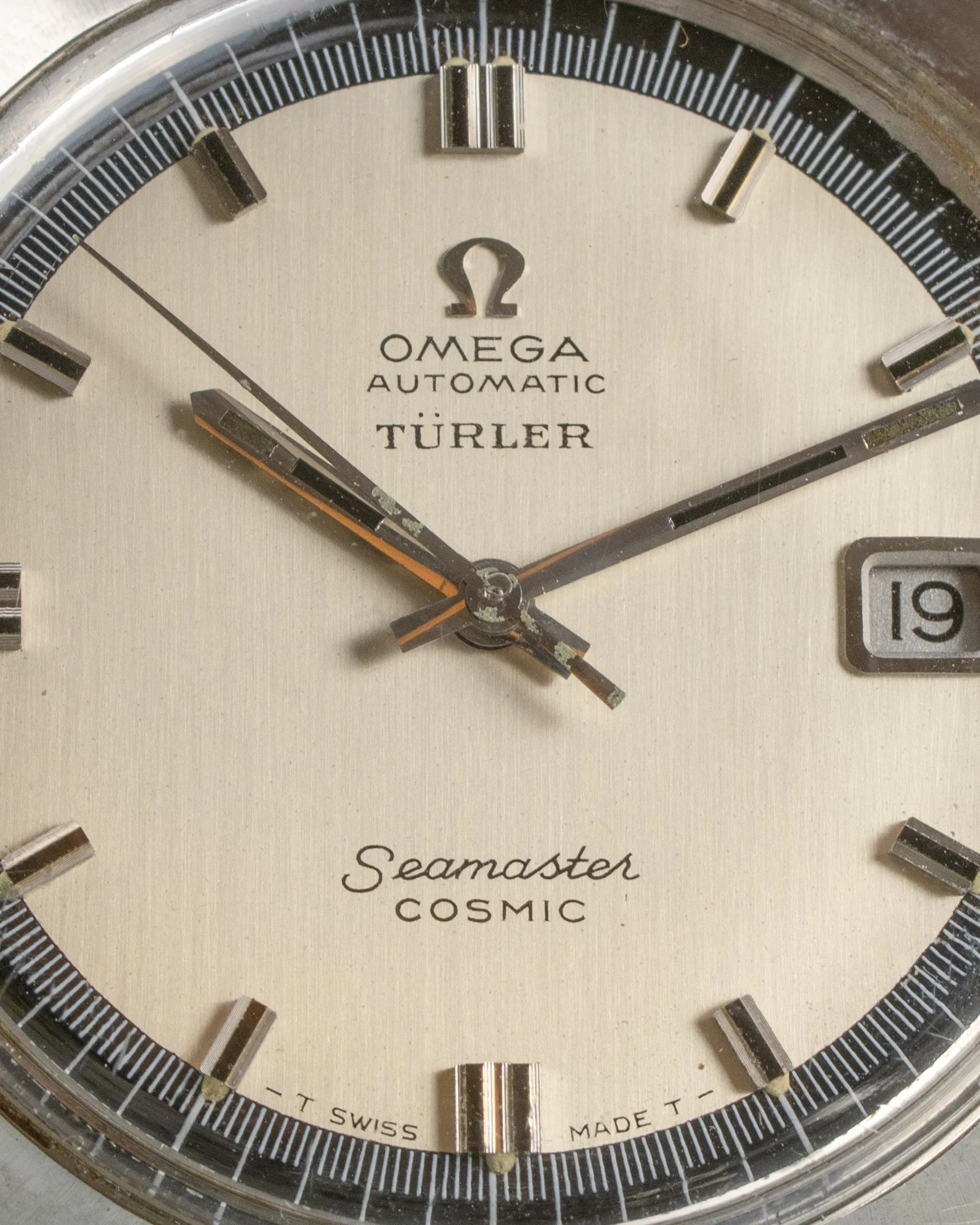
A Türler signed Omega Seamaster Cosmic I sold earlier this year
What is a Türler Signed Watch?
Something people have been talking a lot more about recently is the “double-signed watch.” Lots of questions circle around this topic: does it add extra value? What does it mean? Should I be collecting this? I’ll try my best to do a breakdown and, in the end, answer with my personal opinion on whether this is even important for your collection.
First, I’d like to briefly explain, why Türler? While there are many different retailer names thrown around when people mention double signatures, like Cartier, Tiffany & Co., Serpico Y Laino, Bucherer, or Meister, Türler pops up frequently, especially among the watches from brands I love to source, like Omega and Universal Genève.
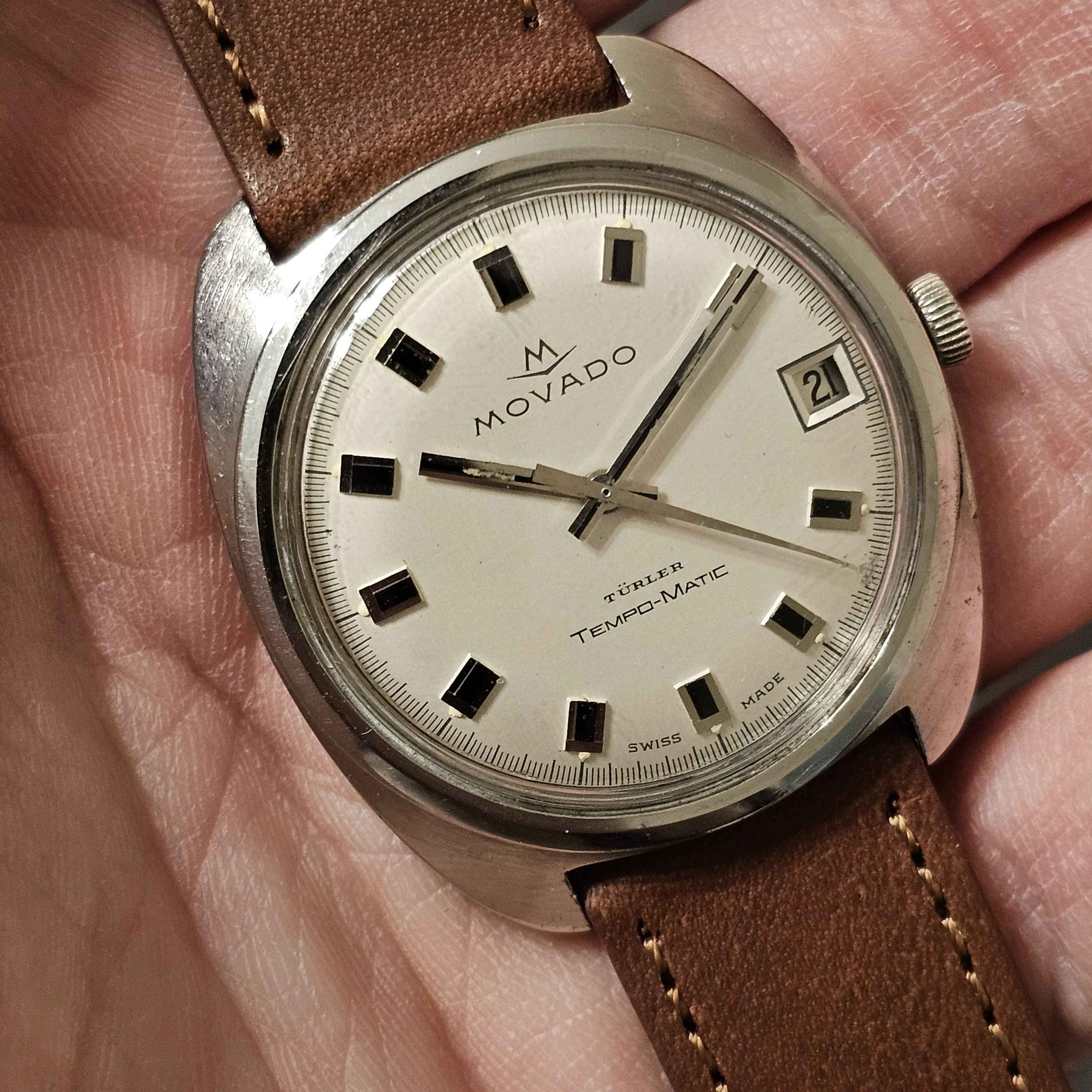
Türler signed Movado Tempo-Matic courtesy of @pkthunder21_watches on Instagram
When someone mentions a Türler signed watch, what they’re talking about is a vintage watch that features the name of the prestigious Swiss retailer, Türler. This is usually stamped directly on the dial alongside the watch manufacturer's logo. Known in the collecting community as a double-signed watch, these pieces are highly prized because they serve as a historical receipt of provenance, or simply put, proof of where someone originally bought the watch. They indicate that the watch was originally curated and sold by the famous Türler family (founded by César Alexander and Jean Henri Türler) at one of their boutiques, most notably their flagship store on the Paradeplatz in Zürich.
One cool thing to think about is how during the mid-20th century, before brands like Omega, IWC, and Universal Genève established their own global network of boutiques, they relied on elite, family owned retailers to reach discerning customers. Because retailers like Türler held such immense influence and trust with their local clientele, watch manufacturers permitted them to add their own retailer signature to the dial. Today, this subtle addition transforms a standard vintage watch into a rare, more collectible piece of history, often commanding a premium over its normal "single-signed" counterparts.
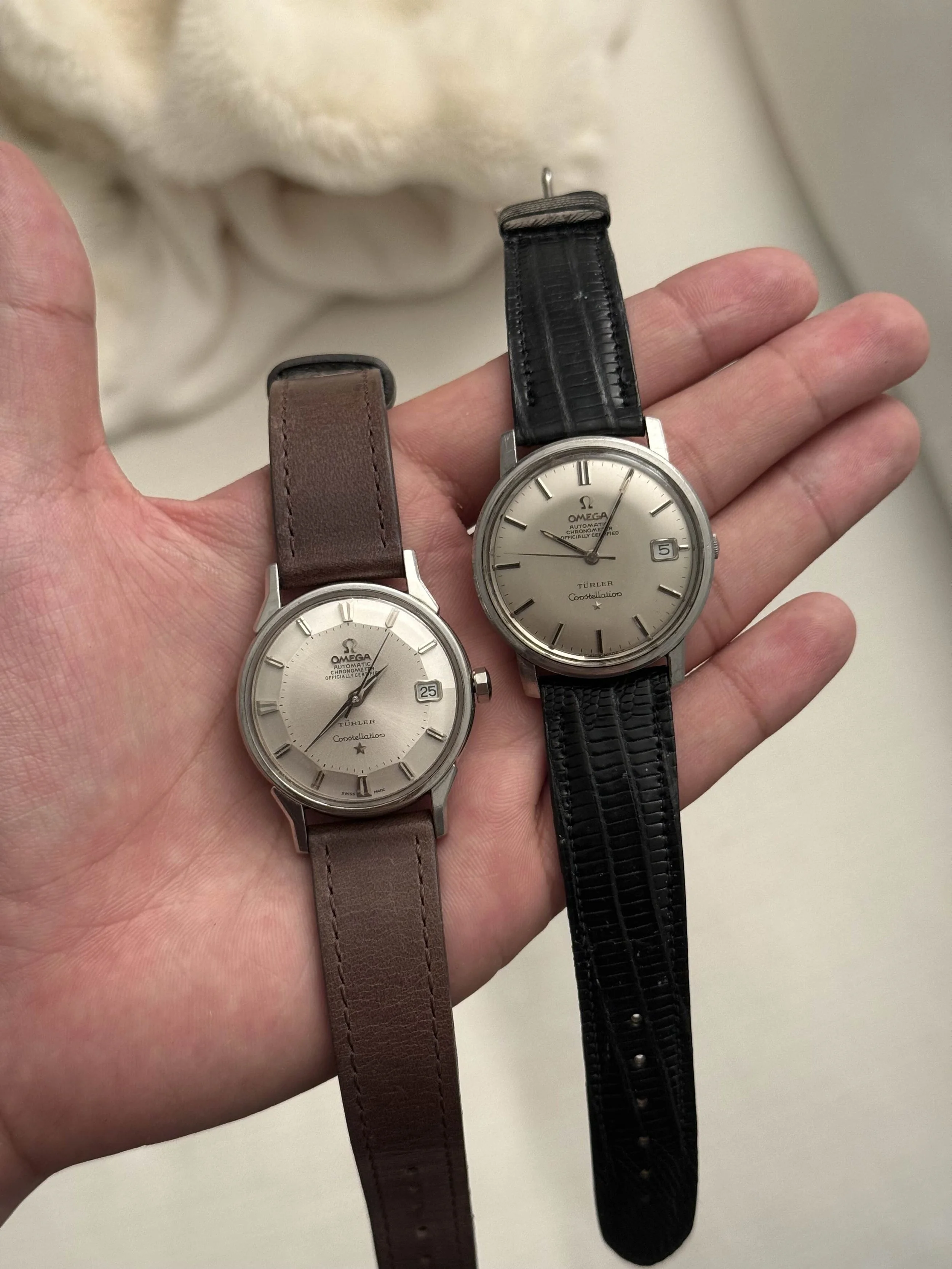
Two stunning Omega Constellations courtesy of @watch.galerie on Instagram
Türler Signed Omega, Universal Genève, and IWC
While Türler retailed watches for the "Holy Trinity" of watchmaking (Patek Philippe, Vacheron Constantin, and Audemars Piguet), I don’t really sell a lot of those watches (yet!). So, I’m focusing on their accessible collaborations with mid-century brands like Omega, IWC, and Universal Genève. (Which I sell plenty of)
The relationship between Türler and Omega was particularly strong; it is arguably the most common double-signed vintage watch found on the market today. Collectors often hunt for specific references, such as a Türler signed Omega Seamaster or Constellation, where the retailer’s stamp sits discreetly above the 6 o'clock marker or just below the Omega logo. These pieces are usually valued fairly and offer a fantastic entry point for collectors looking to acquire a double-signed dial without the five-figure price tag associated with Vacheron or Rolex variations.
Beyond Omega, the Türler signature is frequently found on the dials of watches from IWC (International Watch Co.) and Universal Genève, adding a layer of rarity to models that are already cult classics. For instance, finding a Gerald Genta-designed Universal Genève Polerouter or a vintage IWC Yacht Club with the Türler stamp elevates the watch from a standard production piece to a specific retailer edition.
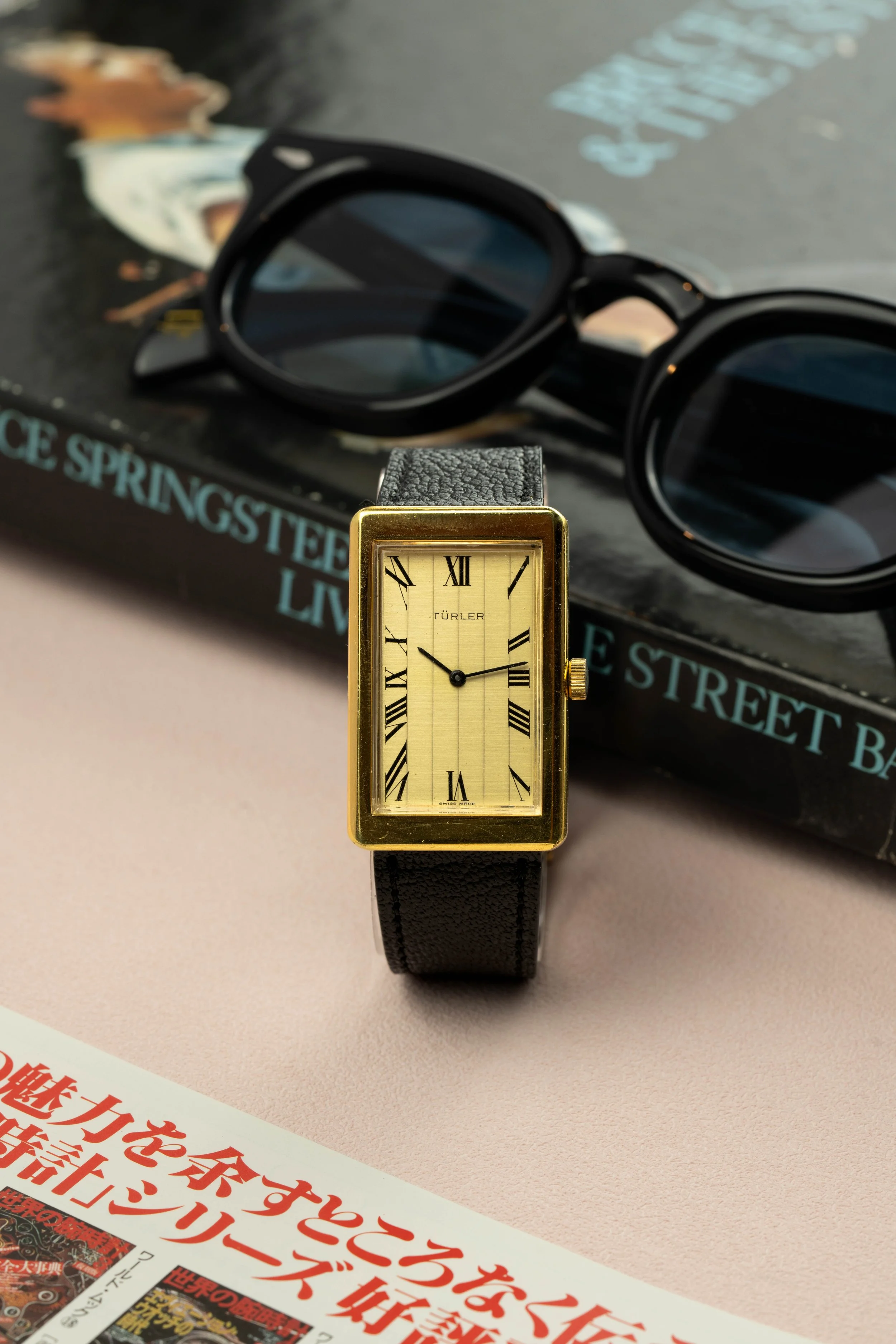
A very rare Türler jumbo tank I sold earlier this year
Does the Türler Signature Add Value? (And How to Spot a Fake)
This might be a lazy answer, but it’s my truth: yes and no.
First of all, when speaking about the value of Türler watches, most “value” comes from their status as collectibles. Double-signed watches are rarer, that is a fact. The same way a baseball card might have a unique error or a Pokémon card might have a misprint, that small detail makes a collectible item even more desirable.
However, because they command a premium, buyers need to be careful. A common topic on forums is how to spot a fake Türler dial. This is way more common with fake Cartier and Tiffany dials. But unscrupulous sellers could take a standard vintage Omega and stamp "Türler" on the dial to artificially inflate the price. Authenticity is key here, always look for sharp, serif printing that matches the aging of the rest of the dial text. If the "Türler" looks brand new but the "Omega" looks 60 years old, steer clear and avoid. These are almost never one of a kind items, and if a double signed dial is really what you want, just wait and keep looking, because eventually you’ll find your perfect watch.
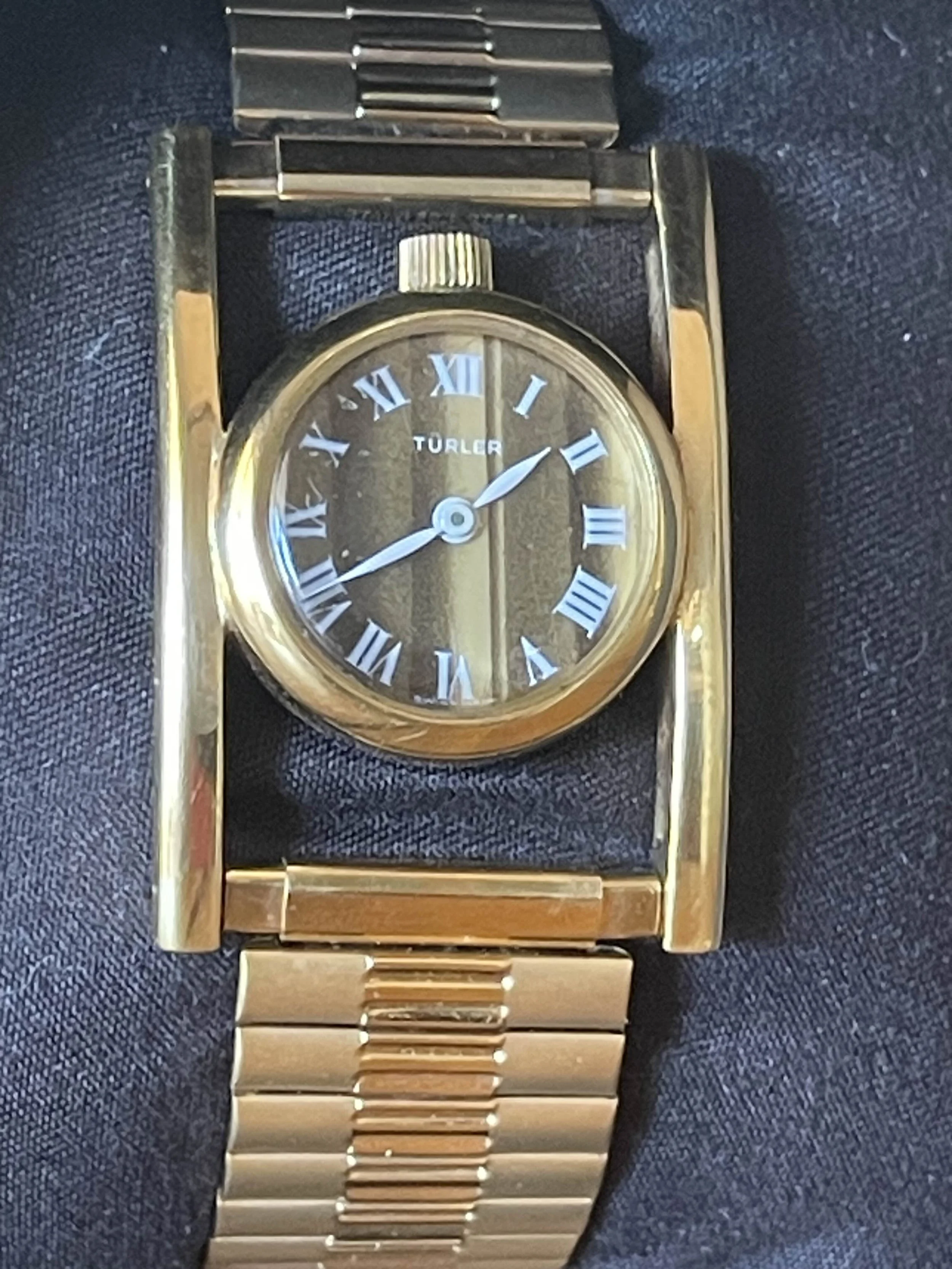
A Türler watch in an interesting case courtesy of @danyrodhorology on Instagram
Now, time for a certified hot take. Some things like modern Tiffany-signed Patek Philippe watches, do nothing for me personally. I have no connection to Tiffany & Co, and since these are modern watches, I really can’t be bothered to care. It feels like more of a financial flex than one stemming from being a watch nerd.
But something a little more accessible like a vintage Türler, Serpico Y Laino, or Meister does add a little bit of extra fun for me. It makes me think about the history of the piece and how I found a nice watch that is just a tiny bit extra special.
If it were for my personal collection, I would never buy a watch in worse condition just because it has a double signature. But if I saw one at a good price, would I buy something like a Cartier retailed Movado even if it were in mediocre condition? 100%. It would sell in a flash. But I can’t say I would do the same if it were for me personally, especially at an enormous premium.